Kyoto by Dawn: The Geometry of Ancient Simplicity
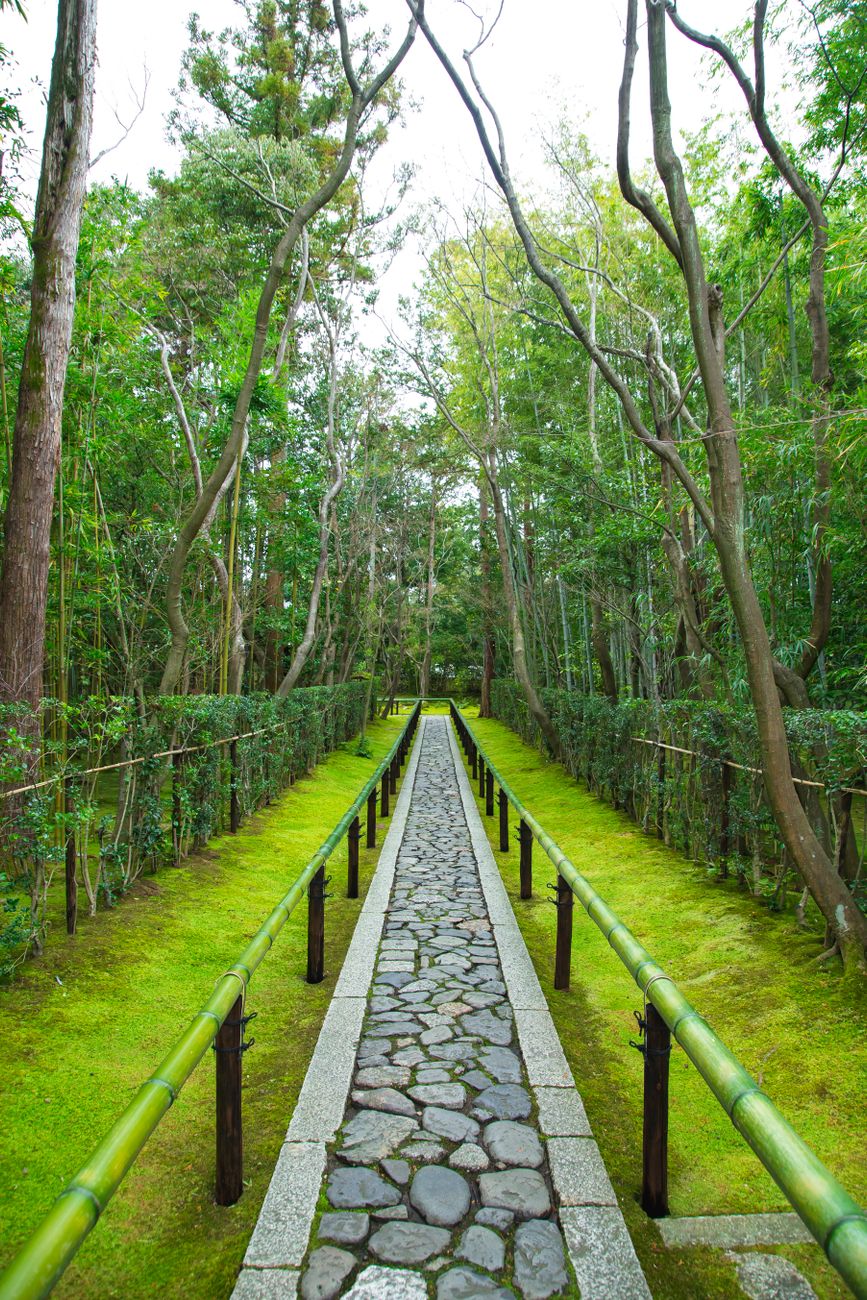
At five in the morning, Higashiyama smells of rain-drenched cypress needles and ancient cedar beams cooling from the previous day's warmth.
Before the narrow flagstone alleyways fill with travelers, Kyoto belongs to the sweeping broom of the novice monk and the soft chime of distant brass bells. There is a sacred geometry governing these early hours—a deliberate equilibrium between shadow, void, and meticulously manicured living forms.
The Philosophy of Ma
In Japanese spatial design, ma signifies the interval or negative space that gives shape to everything around it. In the stone garden of Ryoan-ji, the fifteen rocks placed across white sand are arranged so that from whatever vantage point one sits, at least one boulder remains hidden from sight.
"Perfection is not the addition of grandeur, but the humble acceptance of what remains incomplete."
The morning tea ceremony held in a private four-and-a-half mat chamber serves as an exercise in singular focus. The boiling water, the whisking of bright green matcha, and the slight bow between host and guest constitute an unspoken covenant of respect.